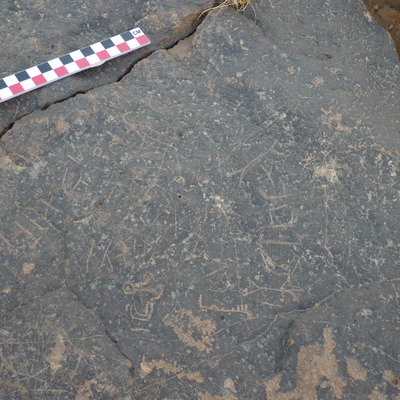
HRN 7 (Hārūn area), Al-Mafraq Governorate, Jordan
The Hārūn area is a hilly country situated about 20km southeast of al-Safawi, roughly 8km south of the Baghdad highway. The region contains large plains and clearings, which allows for the accumulation of water seasonally and vegetation, making it an ideal location for pasturage and hunting. Al-Zoubi and al-Qudrah (2014) published a number of inscriptions from this large area, but the article did not specify where exactly they visited or the archaeological/epigraphic context of their finds.
Archaeological details
This site sits before a series of animal enclosures and is a good resting spot to watch over one's livestock. A small cairn marks the spot, but the style suggests that it is a modern construction. A cleared-out circle could have housed a temporary shelter. The inscriptions do not tell us much about the activities of their inscribers, but a number have been defaced. Two Christian crosses were carved prominently on a central rock, suggesting that some of the shepherds who tended to their herds here were Christian. This is not necessarily surprising, as the Hārūn area saw travellers from Ḥawrān (for example, BES26_HRN4 15). Depending on the dating of the crosses, there could be some connection to the vandalism of the Safaitic inscriptions. The potent cross is sometimes associated with Paleo-Arabic inscriptions. It is possible in the 5th or 6th centuries, the old scripts could still be read by newly converted Arabs. The name of the god Rḍw, and not much more, has been precisely effaced in the inscription BES26_HRN7 7. It is possible, but this can only be a guess, that the inscription was vandalized as an act of piety carried out by a Christian occupying this stop. The cross potent was employed as early as the late 4th century CE, but the chronology of the dotted cross is less clear. The cross with dots, representing the four apostles, becomes popular in Byzantine times.
Cite this Site
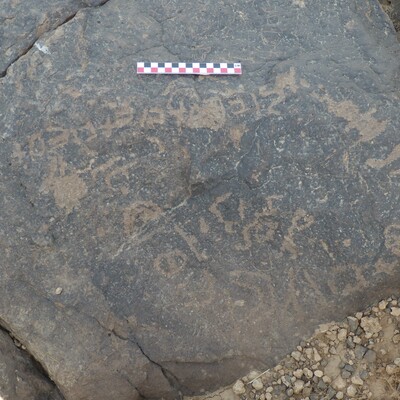
BES26_HRN7 7
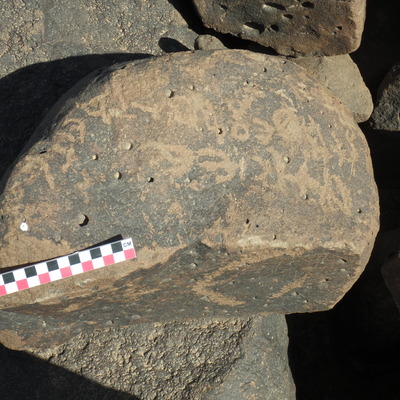
BES26_HRN7 1
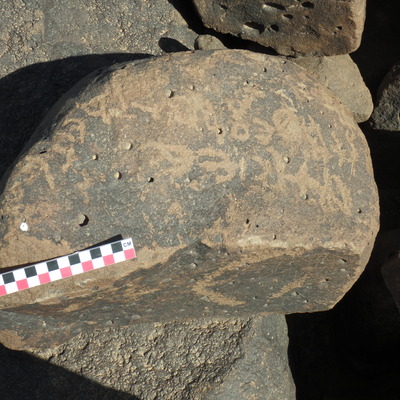
BES26_HRN7 2
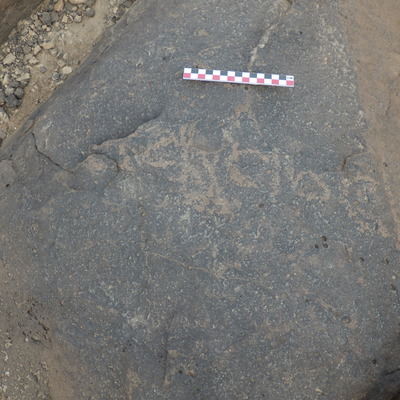
BES26_HRN7 3
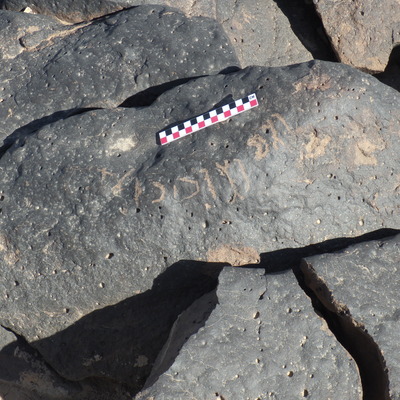
BES26_HRN7 4
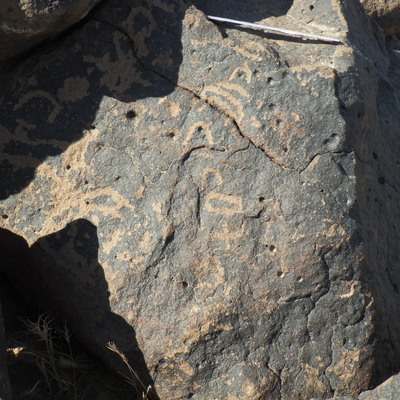
BES26_HRN7 5
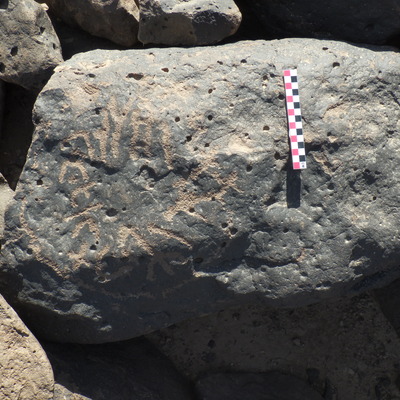
BES26_HRN7 6
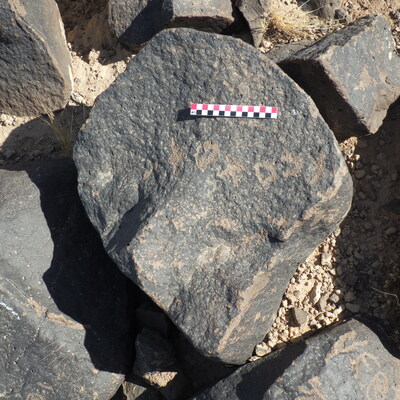
BES26_HRN7 9
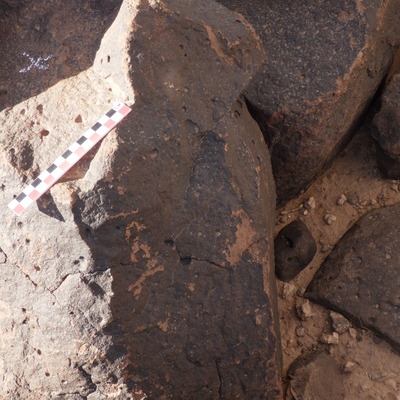
BES26_HRN7 10
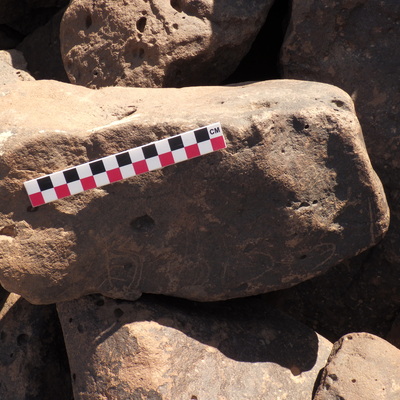
BES26_HRN7 11
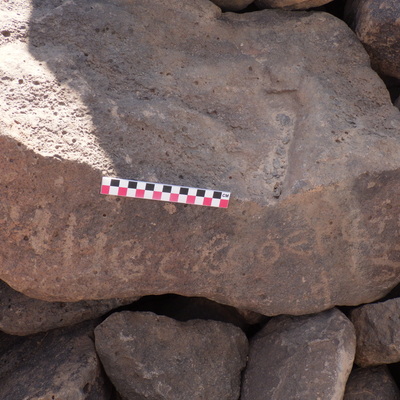
BES26_HRN7 12
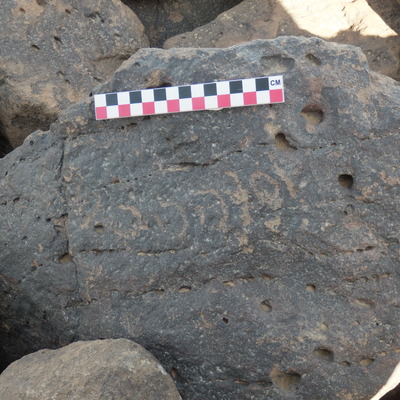
BES26_HRN7 13
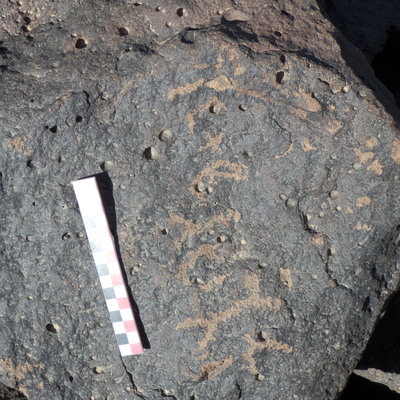
BES26_HRN7 14
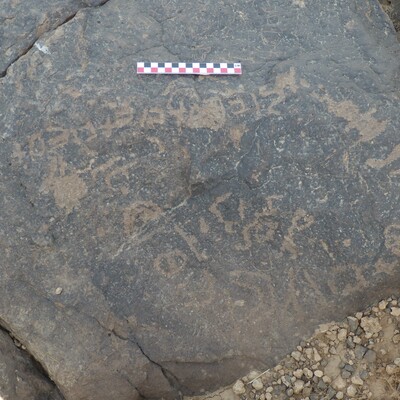
BES_HRN7 7.1
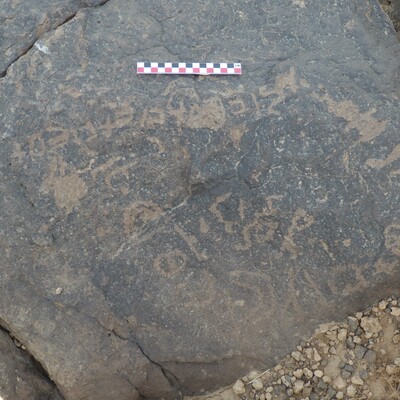
BES26_HRN7 8
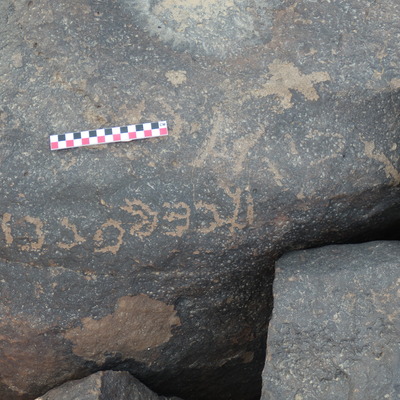
BES26_HRN7 15
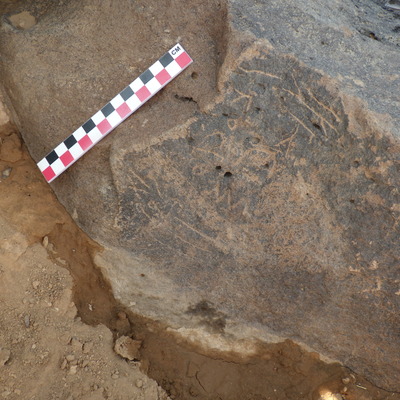
BES26_HRN7 16
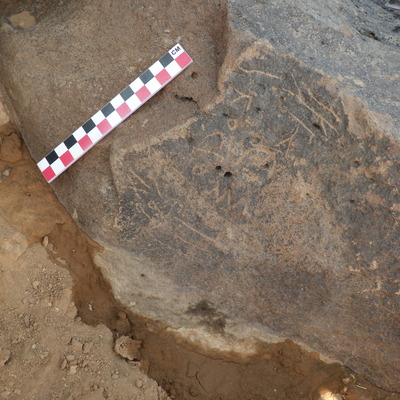
BES26_HRN7 17
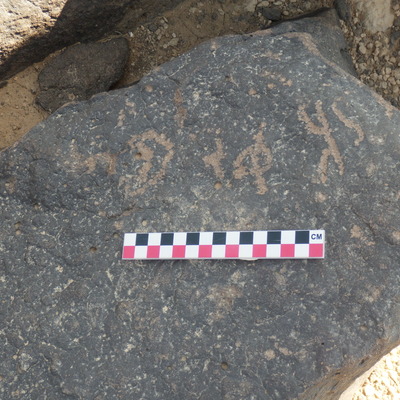
BES26_HRN7 18
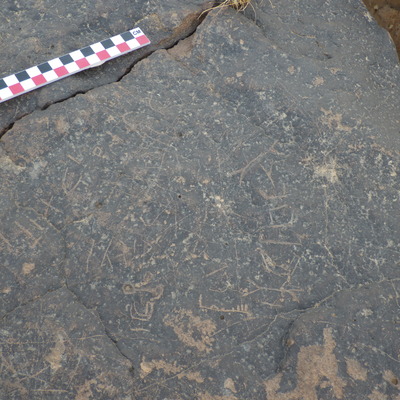
BES26_HRN7 19
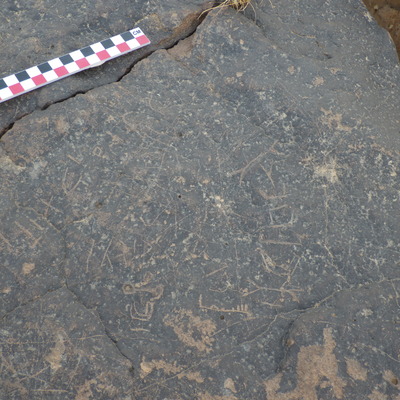
BES26_HRN7 20
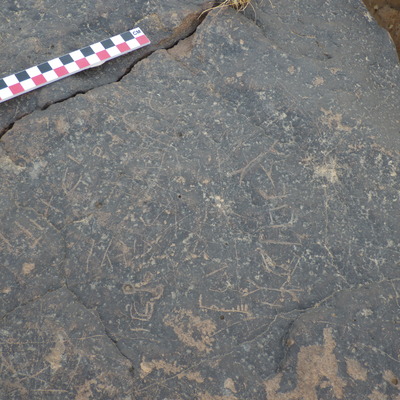
BES26_HRN7 21
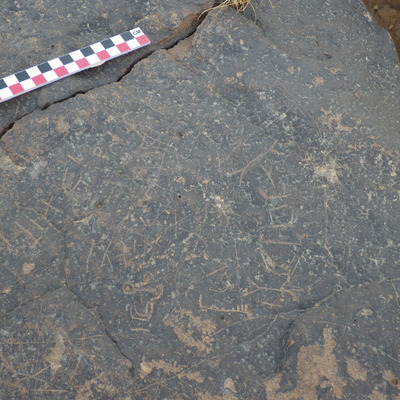
BES26_HRN7 22