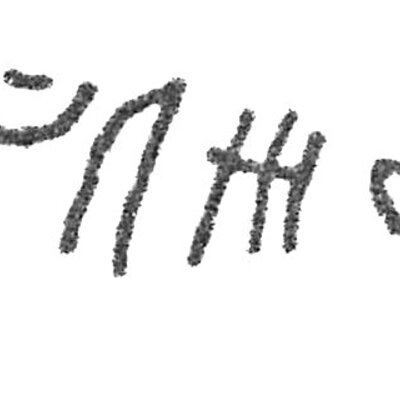
The Cairn of Hāniʾ, Al-Mafraq Governorate, Jordan
The Cairn of Hāniʾ was discovered and excavated by G. L. Harding in 1951, published in 1953a-b. It is the first Safaitic buried found intact. By 2009, its surroundings had been bulldozed and most of its inscriptions had been carried off. On its present condition and its significance in context, see Kennedy 2012c.
History of Visitation
1951: Excavated and published by Harding (1953a, ADAJ 2; popular account 1953b); bones studied by Shanklin and Dark (1953).
1970s: Cairn still little changed (Macdonald, pers. comm.).
2009-2010: Kennedy's Aerial Archaeology in Jordan flights and Henderson's ground visit document its condition and map 72 sites within 5 km.
Archaeological Details
Build sequence: a rectilinear structure of field stones, roughly aligned to the compass points, formed a courtyard. A second circuit was added outside the north, east and south faces as a lower buttress. The courtyard and the gap between the walls were then filled with stones into a low conical cairn, probably over a long period by visitors. It is the only excavated cairn of the region with a rectangular rather than circular core; the wall form suggests an entrance at the south-west corner.
Inscriptions: There are 174 texts on stones in, on or beside the cairn (172 Safaitic, 1 Latin, 1 modern Polish), plus practice texts to the north-west (#174–#181); 16+ stones carry drawings. Two texts name the dedicatee: "For Hānī son of ʿAqrab son of Hānī son of Ḥayār, and the cairn" (HCH 1-2); 95 more name Hāniʾ. 18 are by close relatives (brother, cousin, nephew, no son) and 77–79 by friends, from 21 different lineages.
Rock art: HCH 77 depicts a battle scene with two archers. HCH 73 contains the most detailed known drawing of a hunting kite in use, now in the al-Mafraq museum.
Burial remains
Grave: Rock-cut shaft through soil into bedrock under the inner courtyard, with a flanged rim for cover slabs; slabs, mud, larger stones, then ca. 55 cm of fill.
Position: Supine, head west (280°), face south, left hand to opposite shoulder, right arm by side.
Preservation: Well preserved; long black hair below the neck, remains of a beard.
Burial goods: Deliberately broken wooden bowl; staff apparently sawn into five pieces; water skin; incomplete iron ladle.
Size: 1.67 m; 35–50 years.
Cause of death: Unknown. A healed 30 mm "sagittal scar" above the right eye was not fatal.
Adjacent female burial: Kennedy interprets the female burial as a subsequent addition to Hāniʾ's cairn. Harding called Hāniʾ a "holy man or darwish," inferring some kind of high status from the diversity of tribes who came to bury him and the size of the tomb.
Preservation
By 2009 bulldozer tracks ran up to the structure and cleared landscape boulders had been pushed against and piled onto its south side, making it hard to recognize. Harding and later Director-General Fawwaz al-Khraysheh took many of the stones to museums. Barely a 6th of the original number remain in situ.
- [HCH] Harding, G.L. The Cairn of Haniʾ. Annual of the Department of Antiquities of Jordan 2, 1953: 8-56, pls 1-7.
- Harding, G.L. A Holy Man of Dark Age Jordan and the Cairn which his Kinsmen Built and Inscribed. A Profusely Inscribed Monument which Throws new Light on the Little-Known Safaitic Nomads. Illustrated London News 1953: 564-565.
- Harding, G.L. & Reed, W.L. Archaeological News from Jordan. Biblical Archaeologist 16, 1953
- Kennedy, D.L. (with the assistance of K. Henderson). The Cairn of Hānī: Significance, Present Condition and Context. Annual of the Department of Antiquities of Jordan 56, 2012: 483-505, figs 1-19.
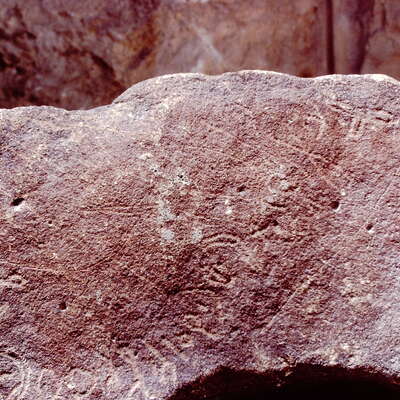
HCH 26
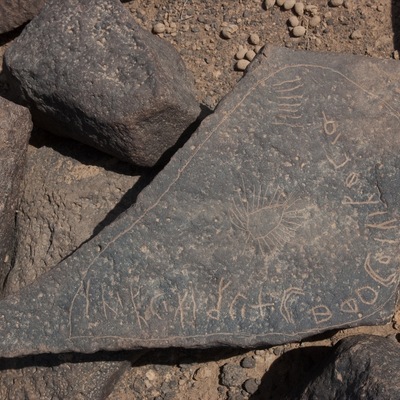
HCH 28
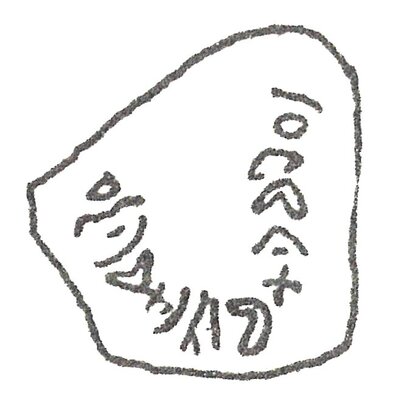
HCH 30
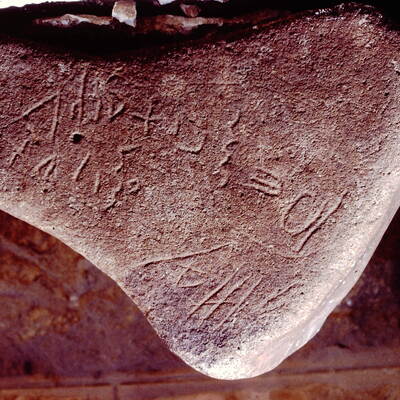
HCH 31
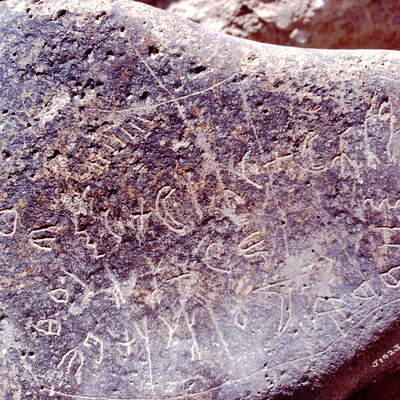
HCH 33
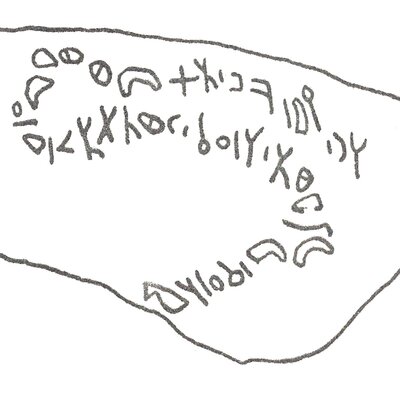
HCH 34
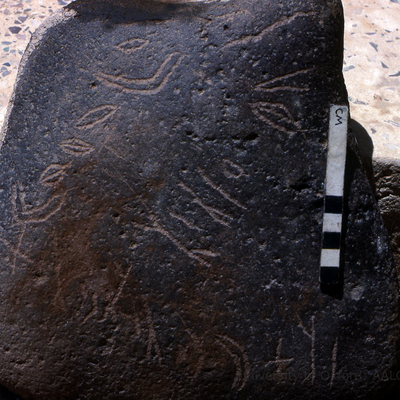
HCH 35
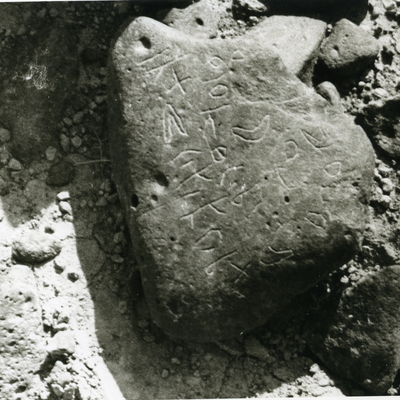
HCH 36
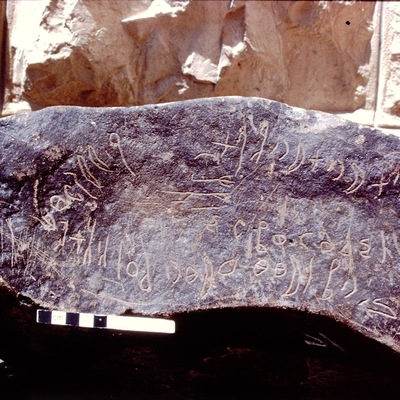
HCH 37
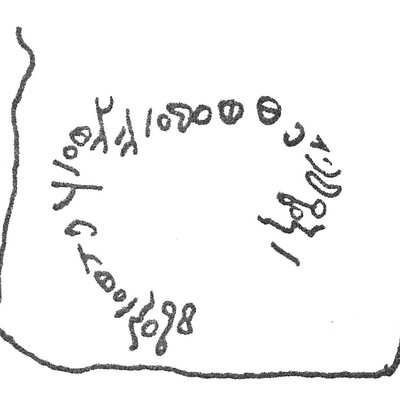
HCH 45
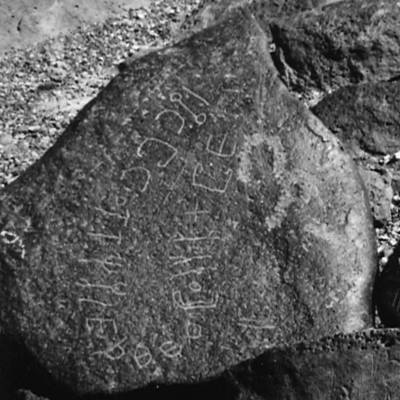
HCH 46
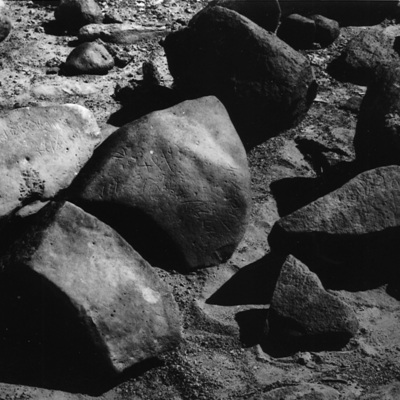
HCH 47
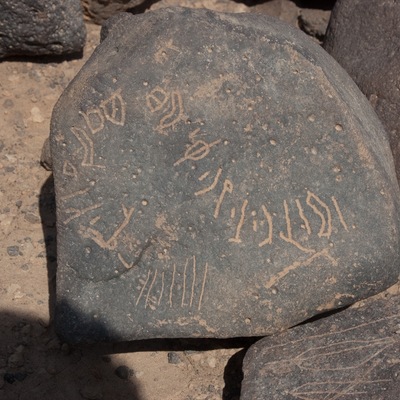
HCH 48
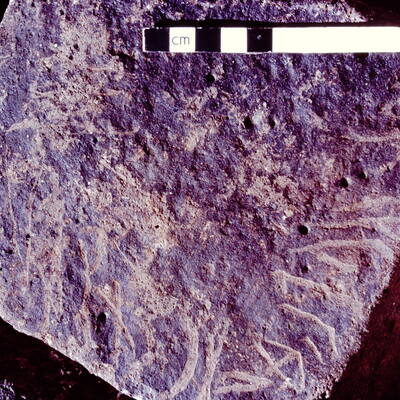
HCH 49
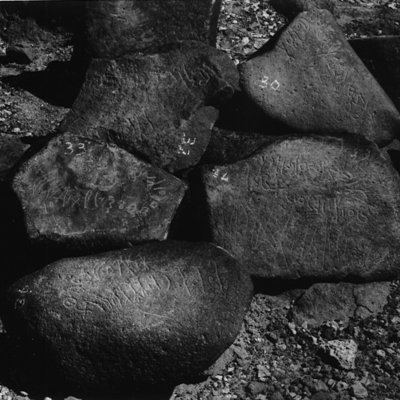
HCH 50
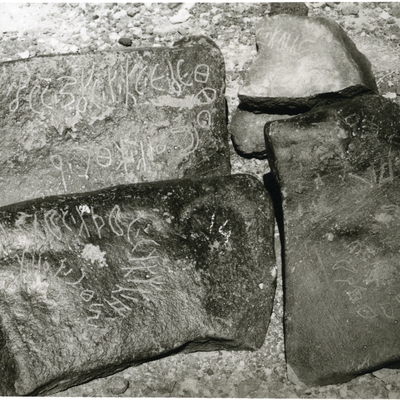
HCH 51
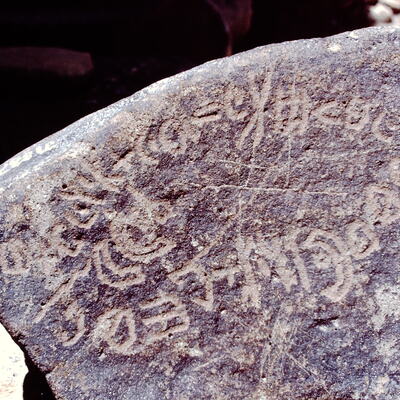
HCH 52
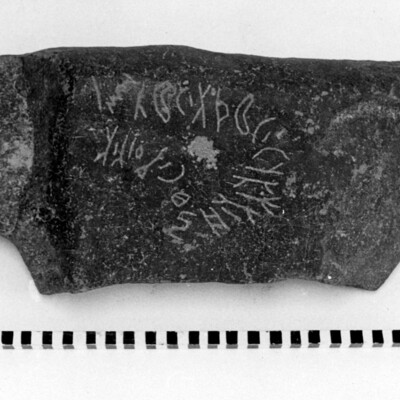
HCH 53
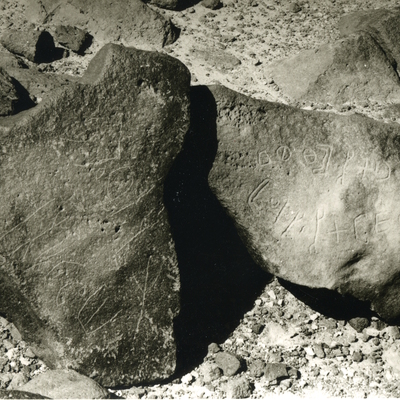
HCH 55
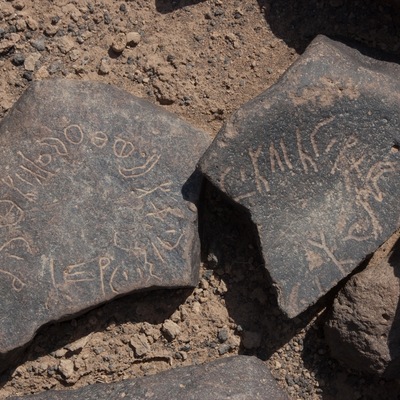
HCH 56
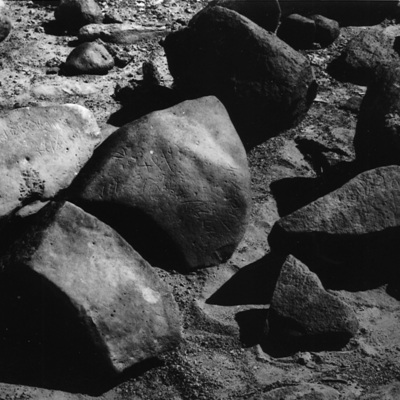
HCH 58
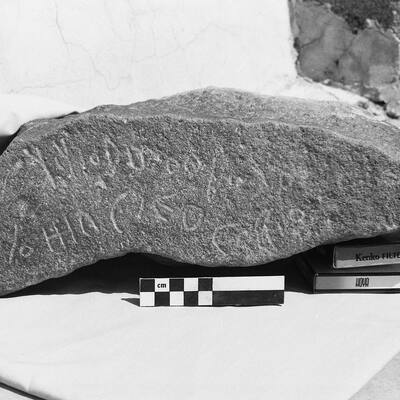
HCH 59
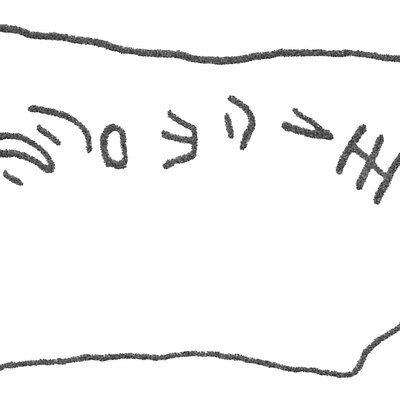
HCH 60