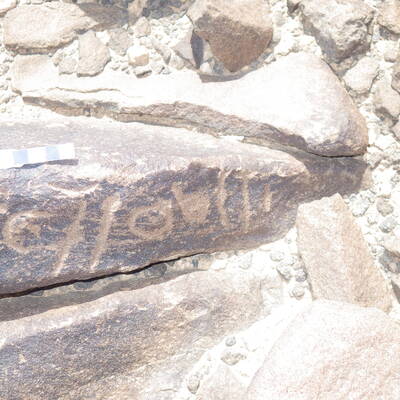
Marabb al-Shurafāt, Al-Mafraq Governorate, Jordan
A marabb (lit. place of abundance) is a large, open area where water collects and herbage grows in large amounts; here, it is also possible to engage in agriculture. Marabb al-Shurafāt, as the name suggests, was the traditional territory of the shurafāt, one of the main tribes of ʾahl al-ǧabal, the nomads east of Hawran. In the scientific literature, one sometimes encounters the name marabb al-shurafāʾ. The latter pronunciation reflects the classical Arabicization of the local name and is found in some official government maps.
Marabb al-Shurafāt is distinguished by the enormous number of inscriptions strewn throughout its basalt, ranging from Latin to Islamic Arabic, from Nabataean to Safaitic. This indicates that the area was an important stopping place throughout the ages, connecting Hawran to the open desert.
It is believed that the name originates from members of the Shurafāt tribe being killed by another tribe. Popular folklore recounts that the Shurafāt held a mass wedding celebration in the marabb for 100 grooms in a single night; during the ceremony, another tribe raided the gathering and killed all 100 grooms.
History of Visitation
April 2015: The inaugural BES campaign, led by M.C.A. Macdonald and A. al-Manaser visit the marabb and documented over 1000 inscriptions.
July 2015: Sultan al-Maani and Mahdi al-Zoubi begin the exploration of the Marabb and document some two-hundred texts, which appear in OCIANA under the siglum: ZMMS.
April 2017: The BES17 mission visits the Marabb once again and documents four new inscriptions; these are published on OCIANA under the siglum BES17.
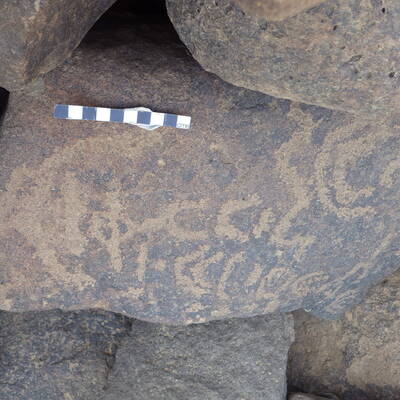
BES15_MS 159
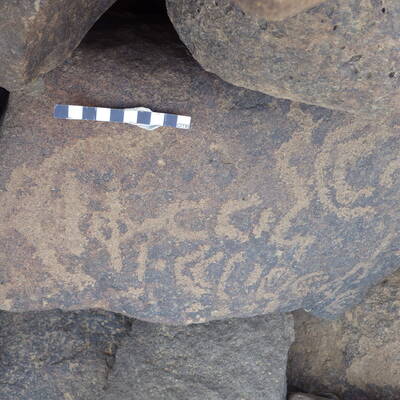
BES15_MS 158
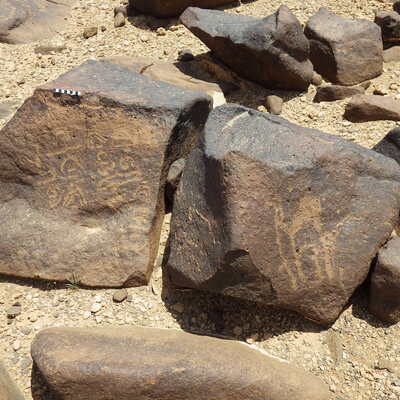
BES15_MS 157
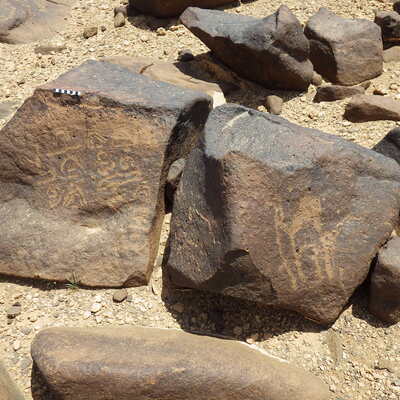
BES15_MS 156
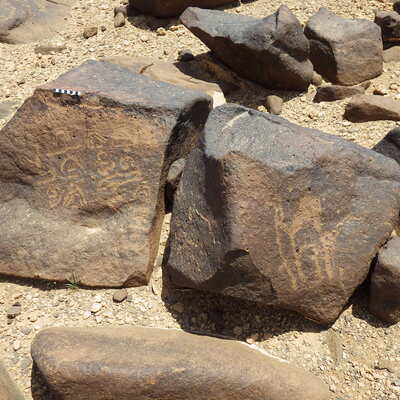
BES15_MS 155
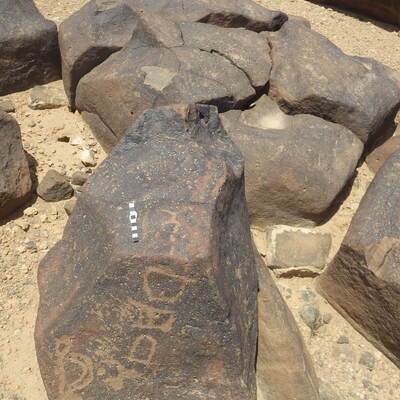
BES15_MS 154
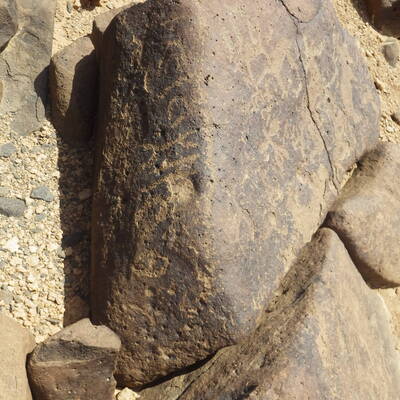
BES15_MS 153
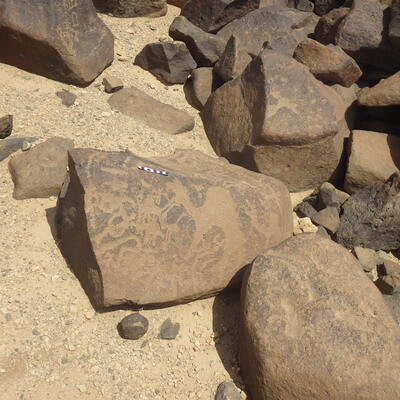
BES15_MS 152
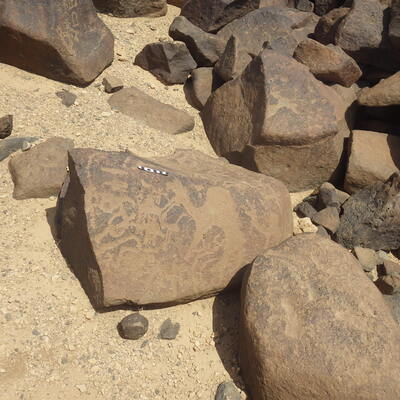
BES15_MS 151
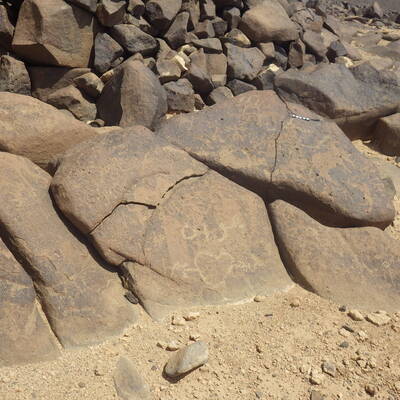
BES15_MS 150
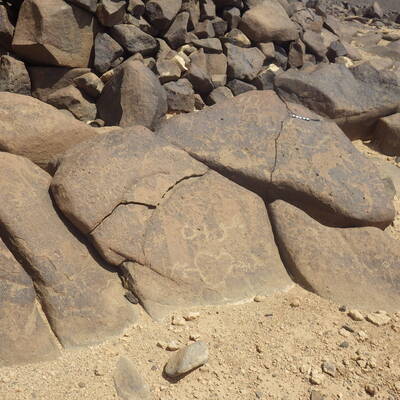
BES15_MS 149
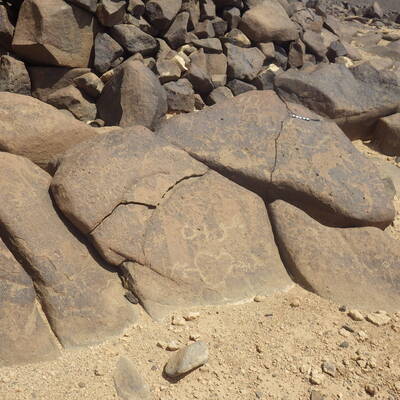
BES15_MS 148
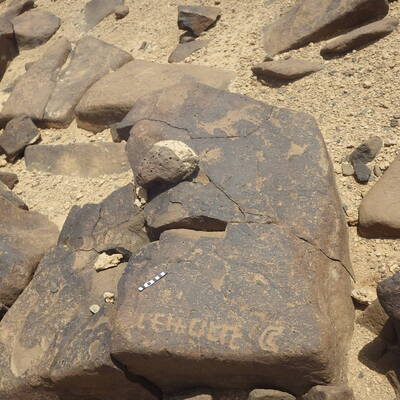
BES15_MS 147
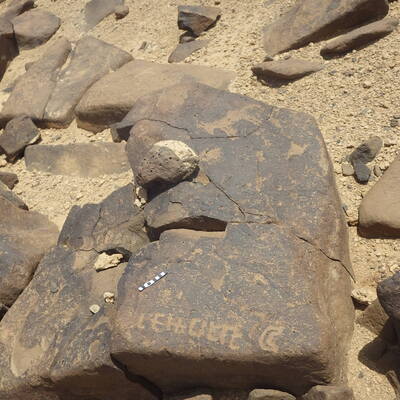
BES15_MS 146
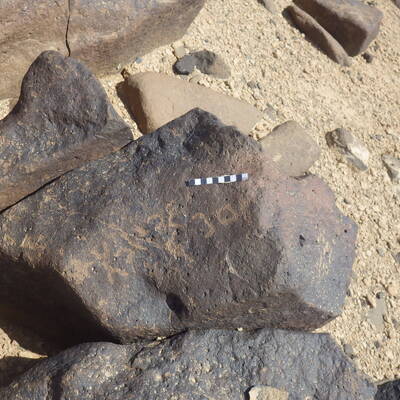
BES15_MS 145
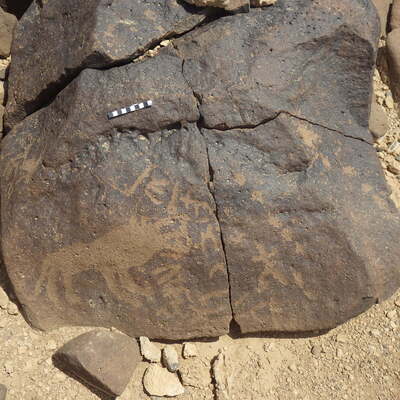
BES15_MS 144
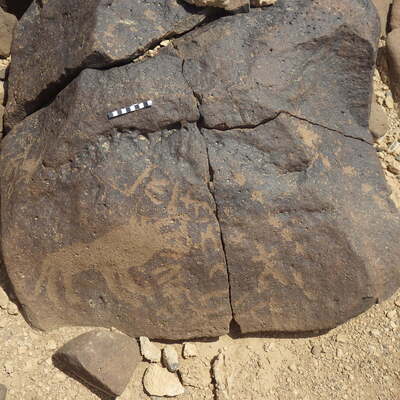
BES15_MS 143
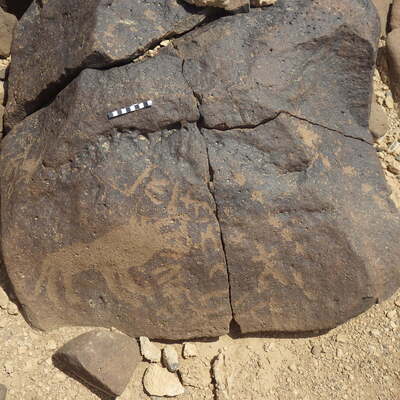
BES15_MS 142
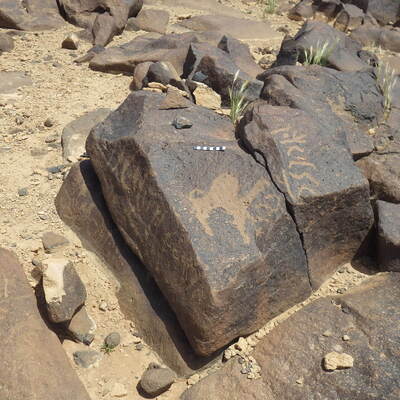
BES15_MS 141
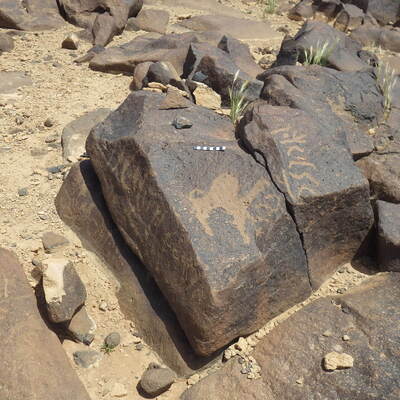
BES15_MS 140
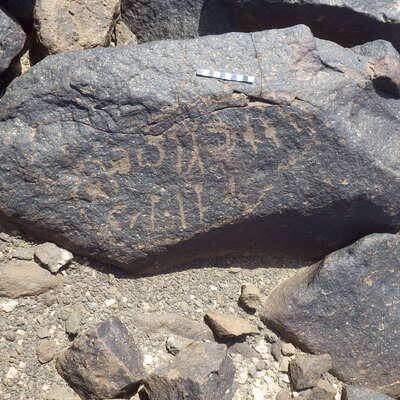
BES15_MS 139
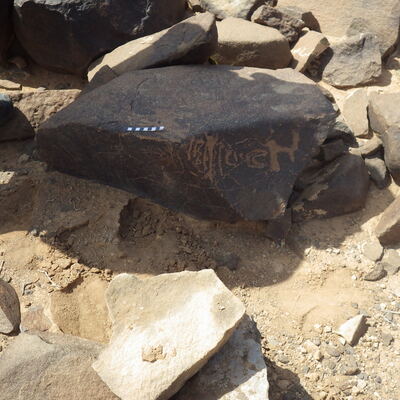
BES15_MS 138
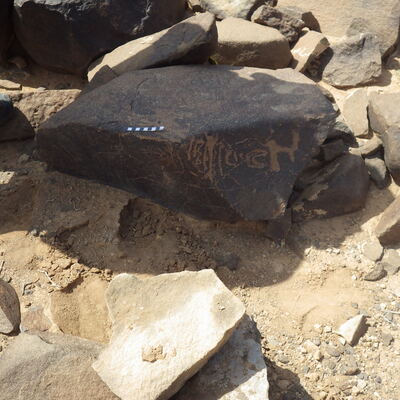
BES15_MS 137